

[Expert Insights] Look, sourcing glass can be an absolute nightmare. I’ve seen wineries ruin incredible vintages just because they tried to save three cents on a pallet of cheap, thin glass. Let’s dig into what actually matters when you’re buying wholesale packaging.
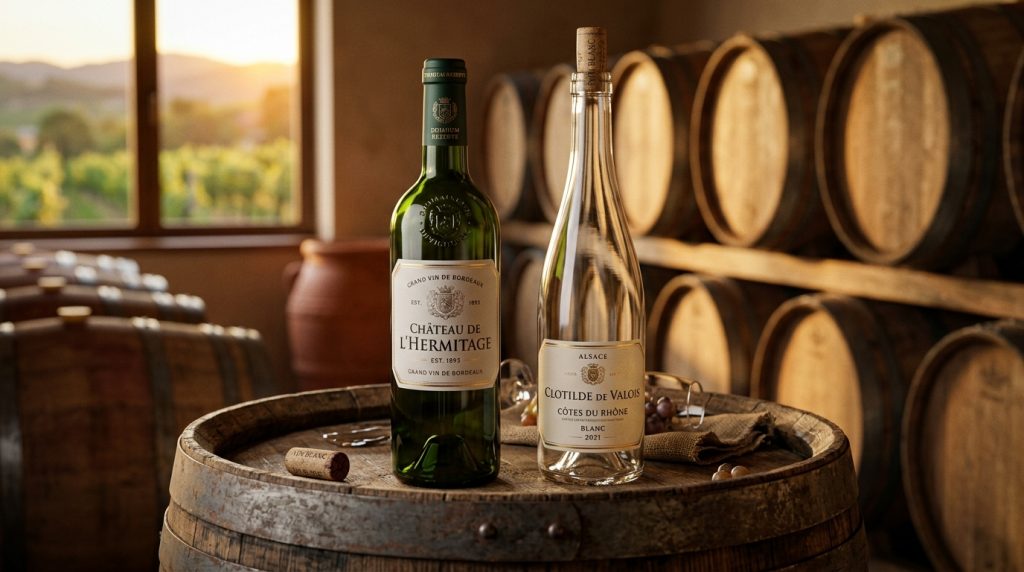
Let’s just be honest here. If you’re bottling for retail shelves, you are chasing the global standard: the 750 ml bottle of wine.
Ever wonder why 750 ml? It’s kind of a funny historical accident. Back before machines took over, a glassblower’s single full breath of air yielded a bottle right around that exact size. Crazy, right? Fast forward to today, and that quirky old tradition is now the iron-clad metric standard. Whether you are throwing a heavy Cabernet into a barrel or chilling a crisp Sauvignon Blanc, sticking to standard 750 ml empty wine bottles is just smart business. It means your product actually fits the shipping boxes, the store racks, and the consumer’s fridge without a fight.
Sure, magnums (1.5L) look cool at parties. But nothing pays the bills quite like the classic 750 ml format.
Stop Hiding Your Wine: Clear Bottles vs. Antique Green
When average folks think of wine, they automatically picture a dark, brooding green bottle. But the market? The market is shifting incredibly fast.
If you are bottling a bright, vibrant Rosé or a snappy white, hiding that gorgeous liquid behind dark glass is honestly a marketing tragedy. That is exactly why premium clear wine bottles are flying off factory floors right now. Clear glass shows off the purity. It grabs the consumer’s eye on a packed grocery store shelf instantly.
But here is the catch (and it’s a big one). UV light is the ultimate enemy of wine. If you’re dealing with a heavy red that needs to sleep in a cellar for five years, you absolutely must use Antique Green or Amber glass to block the light. Use clear glass? Only for the young, fun stuff meant to be drank this summer.
The Secret of the Punt (Yeah, That Bottom Dimple)
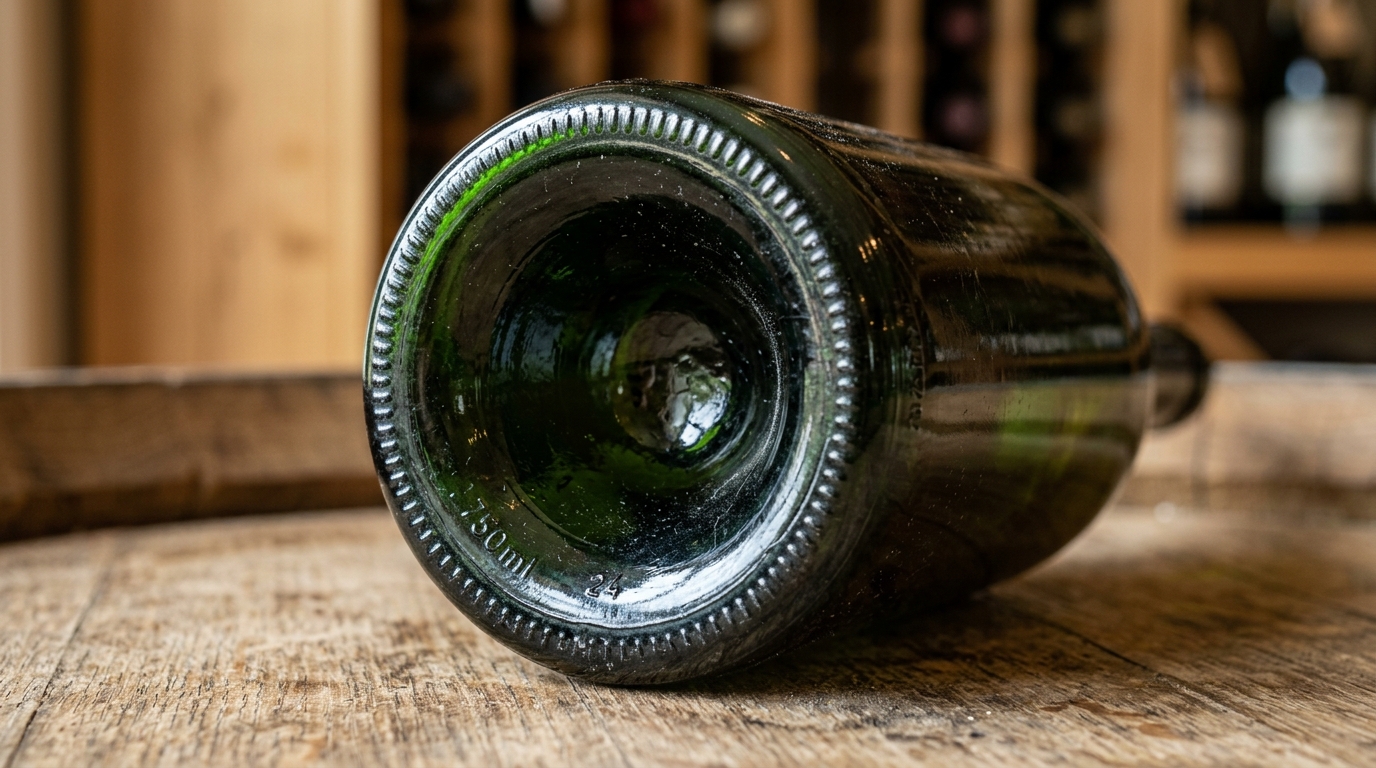
Grab any expensive bottle of wine and flip it over. See that deep crater at the bottom? Industry folks call that the “punt.”
Back in the day, glassblowers pushed the hot glass seam up so the bottle wouldn’t wobble on a table. Today? Modern machines can easily spit out perfectly flat bottoms. Yet, high-end buyers still demand a massive, deep punt for their empty wine bottles. Why bother? Because it adds serious structural muscle to the glass, fighting off internal pressure. More importantly, it just feels heavy and expensive in the hand. Want to charge a premium price? Never, ever skimp on the punt.
Corks, Screw Caps, and Avoiding Leaks
Buying wholesale wine bottles is a lot more than just hunting for the cheapest quote on Alibaba. It’s about not waking up to a warehouse floor covered in leaked wine.
When you order bulk wine bottles, the neck finish is everything. Are you jamming in traditional natural corks? Or are you finally making the jump to screw caps (Stelvin closures, if we’re being technical)?
- Cork Finish: Needs a flawlessly smooth, straight throat.
- Screw Cap Finish: Requires insanely precise exterior glass threading.
Tell your glass manufacturer your closure method on day one. Most serious commercial wineries demand exact millimeter tolerances around the bottleneck. If the factory misses by a fraction? Your automated bottling line will chew those bottles to pieces.
Wine Glass Colors & Styles Comparison
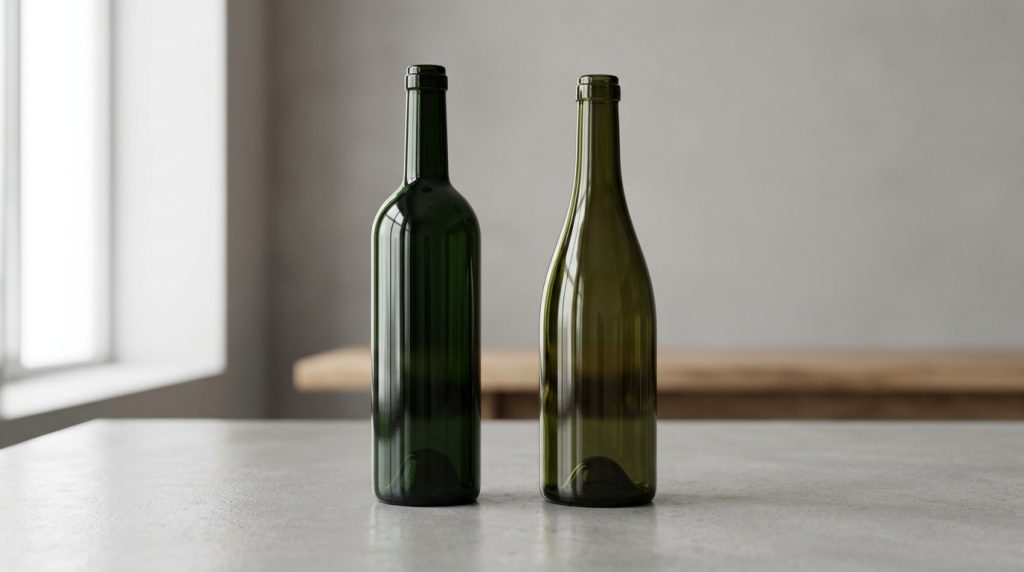
Need a cheat sheet before you call a supplier? Here is a quick breakdown of the empty wine bottles you’ll encounter:
| Bottle Style | Best Used For | Glass Color Options | Key Benefit |
|---|---|---|---|
| Bordeaux | Cabernet, Merlot | Antique Green, Clear | Strong shoulders physically trap sediment |
| Burgundy | Pinot Noir, Chardonnay | Dead Leaf Green | Gentle sloping shoulders, very elegant |
| Flute (Alsace) | Riesling, Ice Wine | Antique Green, Clear | Tall and skinny. Jumps out on shelves |
| Custom Mold | Flagship Vintages | Any Color | Nobody else has your bottle shape |
The Brutal Reality of Sourcing Bulk Glass
Let’s talk shipping logistics. Glass is heavy. Shipping empty air inside glass is painfully expensive. When you finally level up to buying bulk wine bottles, how you configure that pallet dictates your profit margin.
Cutting out the local distributor and going straight to a manufacturer is how you survive. Need them bulk-palletized with tier sheets for a robotic decaser? Or do you need them pre-packed in custom printed 12-pack retail cartons? A direct factory relationship stops the bleeding on repacking fees.
Ready to Place Your Wholesale Order?
Stop settling for middlemen who ghost you when a pallet arrives shattered. If you want to source premium, pressure-tested glass directly from the factory floor, you need an OEM partner who actually picks up the phone.
As a heavyweight global supplier of wholesale wine bottles, Jinpeng Glass brings decades of hard-fought manufacturing expertise to your winery. From a standard pallet of 750ml workhorses to a wild custom-embossed mold for your flagship release, we have the heavy machinery to make it happen.
👉 Click Here to Contact Our Packaging Experts for a Custom Bulk Quote Today!


