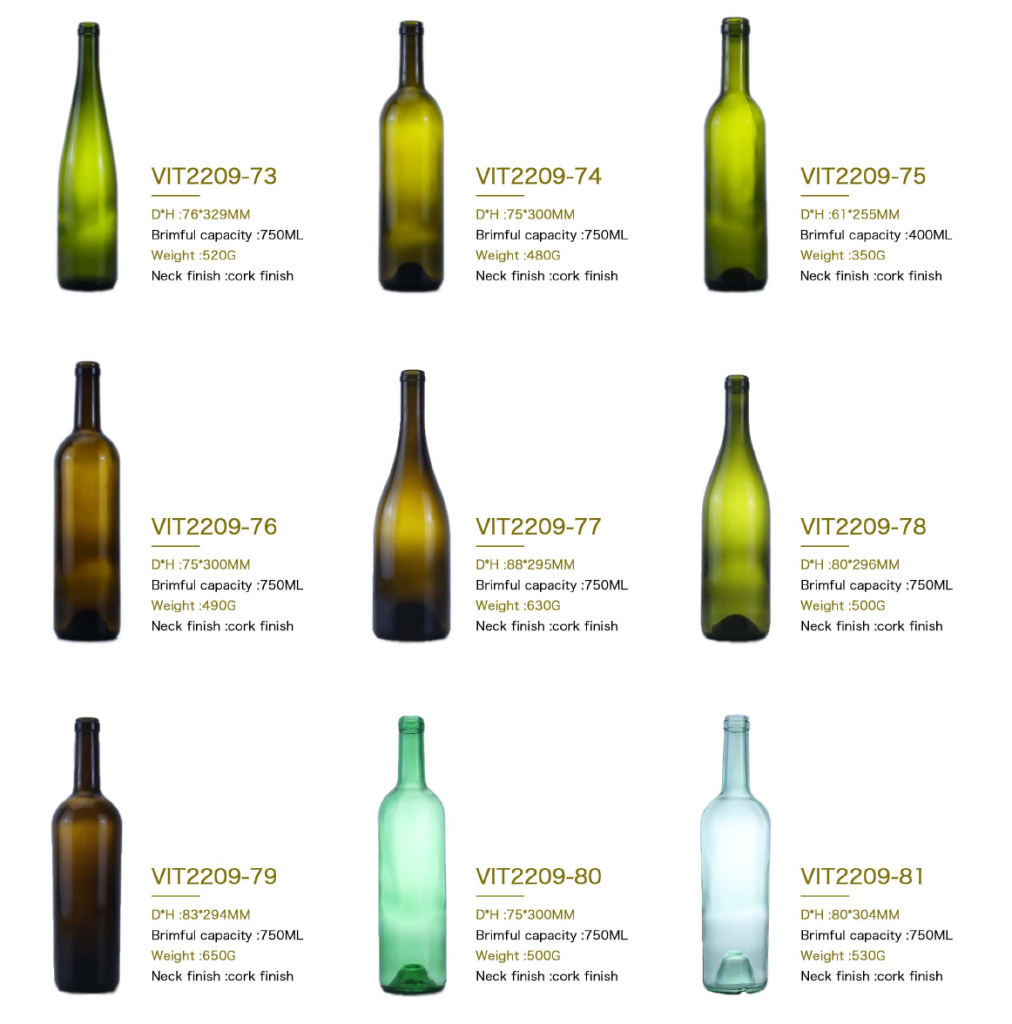
For decades, heavy glass was the ultimate shorthand for luxury spirits. Today, however, that extra weight has become a massive financial and environmental liability, driving global brands to seek advanced lightweight glass bottles from premier manufacturers like Jinpeng Glass.
But is switching to a lighter bottle design an easy win, or are there hidden risks? Let’s break down the hard pros, the genuine cons, and how modern glass engineering is bridging the gap.
The Pros: What Brands Gain by Slimming Down
Going light isn’t just a trend; for high-volume or export-heavy brands, it is a financial survival strategy.
- Drastic Freight and Logistics Savings: When you ship glass globally, you often hit legal shipping weight limits (weigh-out) long before filling the container’s physical space. Shaving 200–300 grams off a single 750ml bottle means you can pack thousands of additional units into a single ocean container. You stop paying to transport “dead weight” and maximize your cargo efficiency.
- Meeting Strict Retailer and ESG Mandates: Major global liquor distributors and supermarket chains are actively penalizing over-packaged goods. Lightweight glass requires significantly less energy to melt in the furnace and reduces transportation emissions. If your brand wants prime shelf space in eco-conscious markets like Europe or North America, a lower carbon footprint is your golden ticket.
- Reduced Wear on Bottling Lines: Lighter bottles exert less stress on high-speed conveyor belts, filling valves, and capping machinery, extending the lifespan of your production line equipment.
The Cons: The Real Risks of Lightweighting (If Done Wrong)
Let’s be completely honest: lightweighting is not a magic bullet. If a manufacturer simply shaves off glass without advanced engineering, it creates major headaches for a spirits brand.
- The Fragility Trap (Structural Weakness): Traditional “blow-and-blow” manufacturing methods can leave glass distribution uneven—thick corners but dangerously thin sidewalls. If you make a bottle lighter using outdated tech, the glass becomes brittle. This leads to micro-cracks during high-pressure filling or, worse, shattering during transit.
- The Loss of “Premium Perceived Value”: Consumers still drink with their eyes and hands. If a high-end XO Brandy or an aged Single Malt whiskey feels cheap and feather-light, it can damage decades of brand equity. A plain, thin-walled bottle can look like budget-shelf stock.
Balancing the Scale: The Jinpeng Engineering Solution
The key to successful lightweighting is dropping mass without losing strength or luxury aesthetic. This is where precision manufacturing makes the difference.
1. Eliminating Fragility with NNPB Technology
At Jinpeng Glass, we don’t just use less material; we distribute it flawlessly. By utilizing Narrow Neck Press and Blow (NNPB) technology, computer-controlled plungers ensure wall thickness is uniform down to the millimeter.
The Result: A bottle that is 25% lighter but retains the exact same vertical load capacity and thermal shock resistance as a heavy bottle. It handles high-speed automated lines without scuffing or breaking.
2. Retaining the “Luxury Look” Through Smart Design
You can trick the hand and delight the eye. Our design team uses strategic structural engineering to maintain a premium feel:
- Deep Punts (Push-ups): Keeping a deep, heavy base preserves the traditional luxury silhouette on the shelf.
- Sharp Embossing & High-Clarity Extra-Flint Glass: By maximizing the optical clarity of the glass and adding crisp, premium branding elements, the bottle retains its high-end allure, regardless of its weight.
The Verdict: Is It Right for Your Brand?
If you run a local, boutique distillery with limited distribution, the weight of your glass might not impact your margins.
However, if you are scaling up, exporting across oceans, or facing strict sustainability targets, sticking with heavy glass is an expensive habit. By partnering with a manufacturer that understands the delicate balance of physics and aesthetics, you can cut your logistics costs down to size—without losing an ounce of your premium identity.