

[Expert Insights] From exploding bottles in the 16th century to the highly engineered 12 oz bottle we grab today, glass packaging has come a massive way. Whether you are a craft brewer looking for the perfect vessel or just a beverage enthusiast, let’s break down exactly what makes the perfect brew packaging.
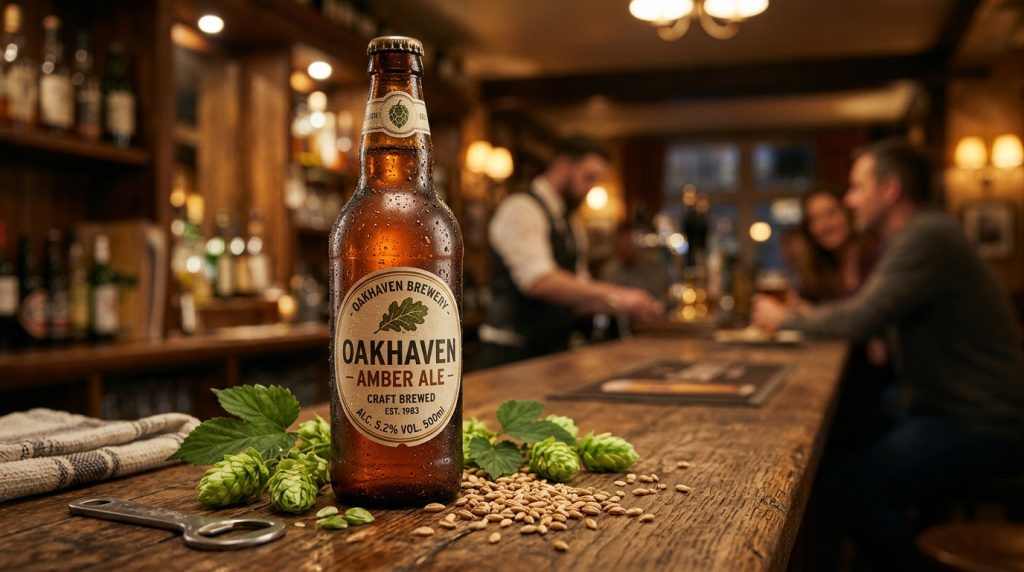
Putting brewed beverages in glass isn’t a new trend. Records actually trace this practice back to 16th-century England. Early glassmakers, though, ran into a massive headache: secondary fermentation. The built-up carbonation pressure kept causing the fragile, hand-blown glass to explode. People literally called them “bottle bombs.”
Brewers quickly figured out they needed much thicker glass to handle the internal pressure. By the 17th century, commercial bottling was booming, and wooden casks slowly started being replaced by glass. But the real game-changer happened in 1903 with the invention of the Owens automatic bottle machine. Suddenly, factories could pump out millions of identical, pressure-resistant bottles a day. Stronger glass manufacturing techniques became the norm, and the foundation for the modern beer bottle was permanently set in stone.
The Science of Soda-Lime Glass
If you want to know why a beer bottle feels so sturdy, you have to look at the chemistry. You can’t just melt any sand and expect it to hold a highly carbonated beverage.
True, high-quality beverage packaging is made from soda-lime glass. This specific formula involves melting silica sand, soda ash, and limestone at extremely high temperatures. The result? A durable, completely impermeable material that locks in flavor and locks out oxygen. Unlike plastic, soda-lime glass is 100% chemically inert. That means no matter how long the liquid sits on the shelf, the bottle will never interact with your carefully crafted brew.
Standardizing the 12 oz Beer Bottle
The late 19th century brought massive industrial standardization, mostly thanks to pasteurized beer. But why do bottles still look so different across the globe today? It really boils down to local drinking traditions and metric systems.
For example, the European market standardized around the 330ml (33 cl) capacity. The United States went a different route, adopting the 355ml longneck design. Right now, the 12 oz beer serving is arguably the most recognized standard worldwide.
The iconic 12 ounce bottle took over the industry in the early 20th century. Its elongated neck isn’t just for looks—it makes it easy to hold without warming the cold liquid inside with your hands. Whether you’re bottling a hazy craft IPA or a crisp lager, the 12 oz bottle is always a safe, universally accepted bet.
Amber vs. Clear vs. Green Glass: Why Color Matters
Have you ever wondered why almost every beer bottle you buy is dark brown or amber? It’s not just a design choice; it’s a strict scientific requirement.
When hops (the bittering agent in beer) are exposed to ultraviolet (UV) light, a chemical reaction occurs that completely ruins the flavor profile. In the brewing industry, this is known as “lightstruck” or “skunked” beer.
- Amber Glass: This is the gold standard. Amber glass blocks out 99% of harmful UV wavelengths, keeping your brew tasting fresh for months.
- Green Glass: Made famous by brands like Heineken, green glass looks premium but only blocks about 20% of UV light.
- Clear Glass: Often used for light summer lagers (like Corona), clear glass offers zero UV protection. Brewers usually have to use chemically modified “light-stable” hops to prevent skunking if they choose clear glass.
The Crown Cap vs. Swing Top Bottles
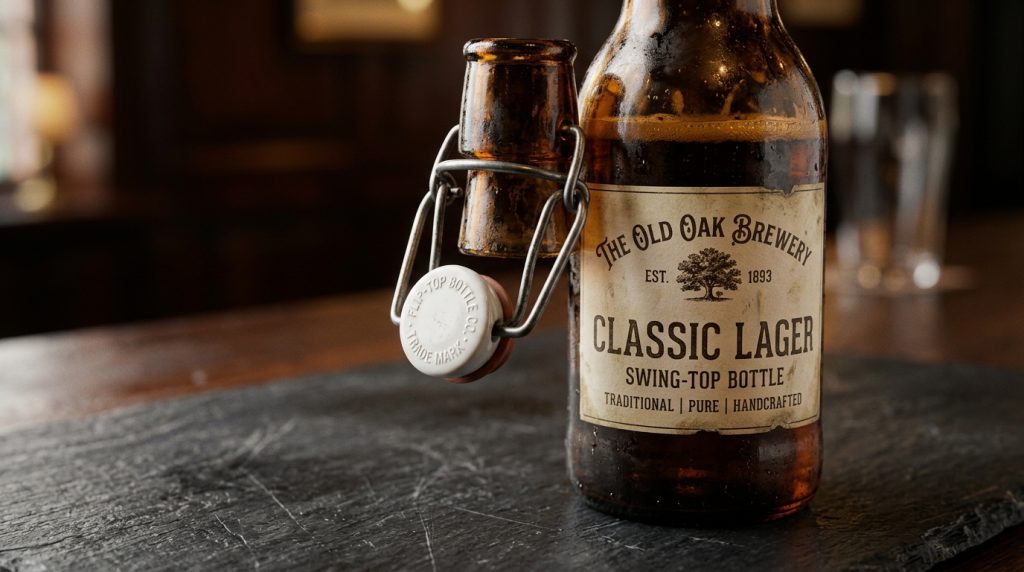
You can’t talk about a beer bottle without mentioning the cap. Before the late 1800s, brewers had to rely on leaky corks and wire cages. That all changed in 1892 when William Painter invented the metal crown cap.
This simple corrugated metal disc provided an airtight seal that stopped oxidation dead in its tracks. While the crown cap completely revolutionized mass production, traditional swing top bottles (or flip-top bottles) still own a premium slice of the market. Today, plenty of craft breweries and artisanal brands love swing top bottles for their vintage look, heavy feel, and the fact that consumers can reseal them after opening.
Beer Packaging Comparison: Glass vs. Cans
How do glass bottles stack up against modern beer can sizes? Here is a quick breakdown to help you choose the right packaging for your next production run:
| Packaging Type | Standard Size | Pros | Cons |
|---|---|---|---|
| Longneck Glass | 12 oz (355ml) | Premium feel, totally inert (no metallic taste) | Heavier to ship |
| European Glass | 330ml | Perfect for imports and craft lagers | Slightly smaller volume |
| Standard Can | 12 oz | Lightweight, blocks 100% of light | Can impart metallic notes |
| Tallboy Can | 16 oz | Great for limited edition craft brews | Expensive labeling process |
People always ask, “how many oz in a can of beer?” Usually, a standard can holds the exact same volume as a standard glass bottle. But glass stays the premium choice for top-tier breweries because it guarantees a pristine flavor profile from the bottling line to the consumer’s glass.
Why Top Breweries Choose Custom Bottles for Alcohol
How do you make your brew stand out on a crowded shelf? You partner with a specialized OEM/ODM glass manufacturer. Generic shapes just don’t cut it anymore in the highly competitive craft market.
As a leading global supplier of premium bottles for alcohol, Jinpeng Glass brings serious technical manufacturing expertise to the table. We produce heavy-duty, pressure-resistant amber glass that protects your liquid. Plus, we can design custom mold embossing that tells your brand’s unique story right on the glass. Partner with the right factory, and your packaging will look just as good as your beer tastes.
Ready to Upgrade Your Beverage Packaging?
Don’t let cheap, generic packaging ruin a premium brew. Partner with the experts to manufacture stunning, custom glass packaging that turns heads and preserves flavor.


