

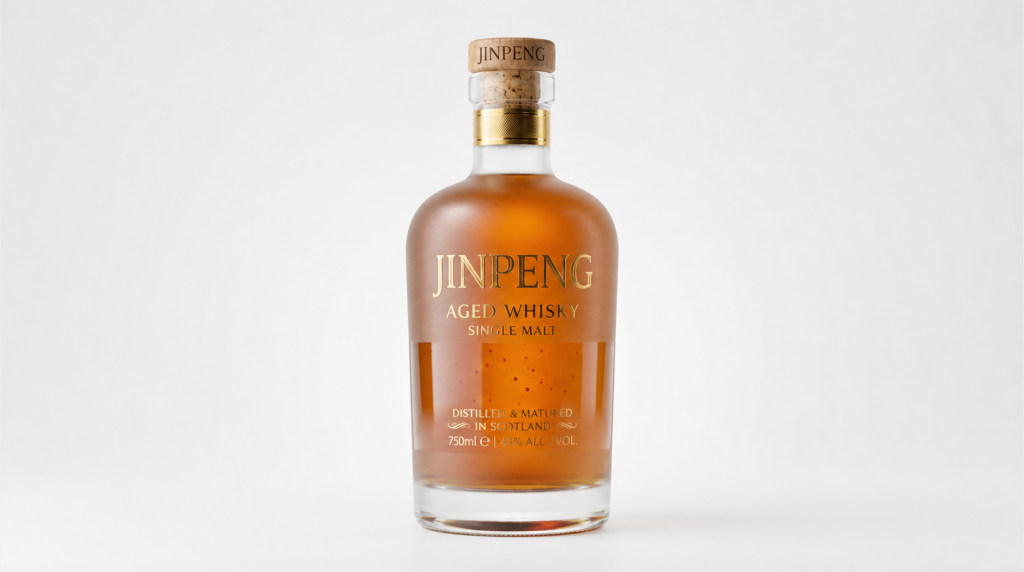
When brand directors and procurement managers look to elevate a premium vodka, gin, or blanco tequila, standard flint glass often isn’t enough. The market demands tactile differentiation. The solution that consistently wins on the shelf is the “satin finish”—a high-end iteration of the traditional 750ml frosted glass liquor bottle.
However, sourcing these premium finishes often leads to a frustrating bottleneck: European glass manufacturing giants require massive Minimum Order Quantities (MOQs) and charge a premium that eats into brand margins. After 15 years in international trade and frontline glass manufacturing export, the reality is clear: you do not need to accept 50,000-unit MOQs to achieve a flawless, water-resistant frosted finish for your premium spirits.
Here is a breakdown of how the satin finish works, how to avoid common quality pitfalls, and how to source it smartly.
The Engineering Behind the “Satin Finish”
There is a massive difference between a cheap “frosted” look and a true luxury satin finish. The difference lies entirely in the chemical process applied at the factory level.
Matte Varnish vs. True Acid Etching
- Matte Varnish (The Cheap Alternative): This is a simple spray coating. It is highly susceptible to scratching during international transit and, disastrously, will often peel or degrade when submerged in a bartender’s ice bucket.
- Acid Etching (The Premium Standard): True satin finishes are achieved through an acid etching process. The glass structure itself is altered by immersing the bottle in an acid bath. This results in a perfectly homogenous, frosted appearance. Because the glass itself is changed, the finish is permanent, highly resistant to scratches, and completely immune to ice bucket moisture.
Why the “Peach-Like” Tactile Feel Matters for Premium Spirits
Consumer psychology in the spirits sector relies heavily on touch. The acid-etching process creates a silky, “peach-like” tactile feel that communicates immediate luxury before the bottle is even opened. For an in-depth look at how tactile packaging is driving consumer choices, you can review recent premiumization trends reported by The Spirits Business.
Maximizing Shelf Impact: Partial Masking and Complex Decoration
A solid frosted bottle is beautiful, but combining decorative techniques is where your spirit truly stands out on crowded retail shelves.
Creating Transparent Windows for Extra-Flint Glass
Through precise masking techniques, we can leave specific “windows” of the extra-flint glass completely transparent. This allows the liquid—whether a rich amber añejo or a crystal-clear gin—to show through, creating a striking visual contrast against the matte surface. The extreme clarity and low iron content of extra-flint glass make this window effect exceptionally brilliant.
Combining Frosted Surfaces with Hot Foil Stamping
The acid-etched surface provides an ideal, highly adhesive base for secondary decorations. Applying multi-color silk screen printing or hot foil stamping (gold or silver foil) over a satin finish creates an eye-catching interplay of light and shadow, merging matte elegance with striking gloss.
Sourcing Comparison: European Giants vs. Agile Manufacturing
When planning your procurement strategy, balancing quality with supply chain agility is critical. At Jinpeng Glass, we’ve engineered our production lines to bridge this exact gap for the global market.
| Sourcing Metric | Legacy European Manufacturers | Jinpeng Glass Export Manufacturing |
| Typical MOQ (Decorated) | 30,000 – 50,000+ units | 10,000 – 15,000 units |
| Finish Process | Acid Etched (Satin) | Acid Etched (Satin) |
| Custom Mold Lead Time | 4 to 6 months | 45 to 60 days |
| Logistics Focus | Custom 40HQ container optimization | Custom 40HQ container optimization |
| Prototyping | Traditional molds | 3D printing rapid prototyping |
Freight Optimization: Protecting the Finish and Your Margins
Exporting empty glass bottles to critical markets like Australia or Latin America means paying to ship air. When dealing with frosted finishes, you are also shipping a highly sensitive surface that must not rub against cardboard dividers during a turbulent ocean transit.
Custom Pallet Packing for Scratch Prevention
To solve this, packing protocols must be strictly enforced. Utilizing reinforced, custom-sized corrugated dividers and optimizing pallet stacking heights ensures that the bottles remain perfectly stationary. This protects the delicate satin finish from transit abrasion, keeping scratch rates below 0.1%.
Maximizing 40HQ Container Load Rates
Beyond protection, optimizing the physical dimensions of the pallets to perfectly fit a 40HQ container maximizes cubic utilization. By fitting more units safely into a single container, we significantly drive down the landed shipping cost per bottle.
Moving Forward with Your Packaging Project
Upgrading to a 750ml frosted glass bottle should not completely drain your operational budget or force you into years of inventory holding. By utilizing 3D printing rapid prototyping, you can hold and approve the physical geometry of your custom design before we ever touch a steel mold.
By understanding the acid etching process and partnering with a manufacturer that prioritizes agile MOQs and freight-optimized packing, your brand can achieve the exact same luxurious, tactile “satin” experience as the world’s top-tier spirits.
For more details on our specific packing protocols and extra-flint quality standards, visit our Custom Spirits Glass Bottle Manufacturing page.


