

Discover the latest premium glass spirits bottle trends in 2026. Learn why custom glass liquor packaging is growing, market opportunities, and how brands leverage bottle design for competitive advantage.
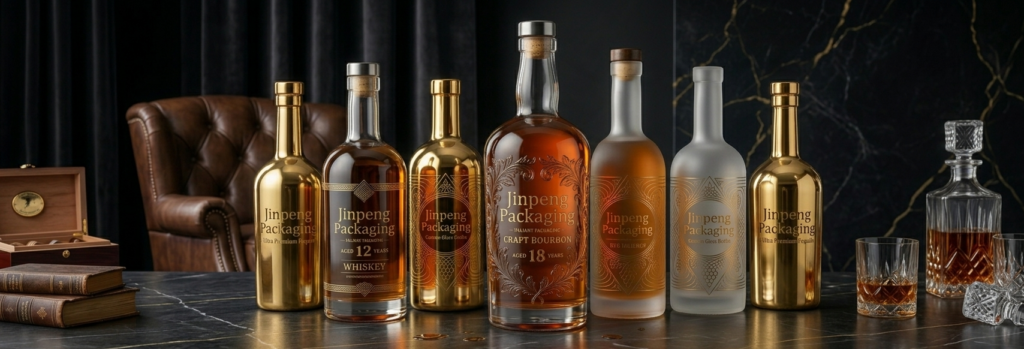
Why Premium Glass Bottles Matter in 2026
The shift toward premium glass packaging is driven by multiple factors that extend beyond mere aesthetics. Today’s discerning consumers associate glass bottles with quality, authenticity, and sustainability—attributes that directly influence purchase decisions.
Key Drivers:
| Factor | Impact on Premium Glass Demand |
|---|---|
| Sustainability | 73% of consumers prefer recyclable packaging |
| Brand Perception | Glass conveys premium positioning |
| Product Protection | Superior barrier properties vs. plastic |
| Export Requirements | Many markets require glass for spirits |
Market Trends Shaping the Industry
1. Sustainable Glass Manufacturing
Environmental consciousness is no longer optional—it’s a business imperative. Glass bottle manufacturers are responding with:
- Increased recycled glass content (now reaching 50-80% in many products)
- Lightweighting innovations reducing material usage by 15-20%
- Carbon-neutral production facilities becoming industry standard
- Closed-loop recycling systems minimizing waste
These advancements allow brands to communicate genuine environmental responsibility while maintaining premium positioning.
2. Custom Bottle Design Surge
The demand for custom glass liquor bottles has surged 40% year-over-year, with brands seeking unique silhouettes and distinctive silhouettes that tell their story.
Popular Customization Options:
| Technique | Application | Minimum Order |
|---|---|---|
| Custom mold opening | Unique bottle shapes | 10,000+ units |
| Embossed patterns | Brand logos, textures | 5,000+ units |
| Frosted etching | Premium appearance | 3,000+ units |
| Color coating | Brand differentiation | 5,000+ units |
3. Heritage and Artisanal Aesthetics
There’s a notable shift toward handcrafted-appearing designs that evoke authenticity and craftsmanship. Features include:
- Hand-blown glass techniques replicated in mass production
- Artisanal-inspired silhouettes with organic shapes
- Vintage-inspired closures including cork and wax seals
- Artistic engravings telling brand heritage stories
Regional Market Opportunities
European Market
The EU spirits market shows strong preference for sustainable packaging, with regulations increasingly favoring glass over plastic. Key opportunities exist in:
- Premium gin packaging (unique botanical-inspired bottles)
- Craft whiskey packaging (heritage aesthetics)
- Organic spirits (environmental storytelling)
External Resource: European Glass Packaging Federation – Industry statistics and regulatory updates
North American Market
US and Canadian markets prioritize:
- Bold, distinctive designs for shelf differentiation
- Sustainable packaging claims (especially among Millennial/Gen Z consumers)
- Tequila and mezcal bottle innovation (emerging categories)
Asian Pacific Market
Rapid growth in premium spirits consumption creates significant opportunities:
- Chinese luxury spirits market expanding 15% annually
- Japanese whisky packaging innovations influencing global trends
- Indian market modernization accelerating
Technical Considerations for Procurement
When evaluating glass bottle suppliers, consider these critical quality factors:
Quality Standards Table
| Specification | Standard Range | Premium Range |
|---|---|---|
| Glass thickness | 2.5-3.0mm | 3.5-4.5mm |
| Transparency | 85-90% | 92-98% |
| Impact resistance | ASTM C149 | ASTM C149 Grade A |
| Thermal shock | -20°C to +70°C | -40°C to +80°C |
Supplier Evaluation Criteria
- Certification: ISO 9001, food safety certifications
- Production capacity: Ensure alignment with your volume needs
- Sample quality: Request samples before bulk orders
- Lead times: Standard 30-45 days; custom 60-90 days
- Payment terms: Negotiate favorable conditions for repeat orders
Frequently Asked Questions
Q: What is the minimum order quantity for custom glass spirits bottles?
A: For standard in-stock bottles, MOQ typically ranges from 6,000-10,000 units.Though some manufacturers offer smaller runs at premium pricing.
Q: How long does custom bottle development take?
A: The complete process—from design finalization to delivered products—typically requires 60-90 days. This includes 15-30 days for tooling/mold creation and 30-45 days for production and quality control.
Q: Are glass spirits bottles eco-friendly?
A: Yes, glass is one of the most recyclable packaging materials available, with recycling rates exceeding 80% in many markets. Modern lightweighting techniques further reduce environmental impact while maintaining structural integrity.
Q: What certifications should my glass bottle supplier have?
A: Essential certifications include ISO 9001 (quality management), food contact material compliance (FDA, EU Regulation 10/2011), and environmental permits. For export markets, verify country-specific requirements.
Conclusion
The premium glass spirits bottle market in 2026 presents substantial opportunities for brands willing to invest in thoughtful packaging design. Key takeaways include:
- Sustainability is non-negotiable — Brands must demonstrate genuine environmental commitment
- Customization drives differentiation — Unique bottle design creates memorable brand experiences
- Quality matters — Partner with certified suppliers who meet international standards
- Timing is critical — Begin supplier conversations 3-6 months ahead of launch timelines
By aligning your packaging strategy with these industry trends, your brand can effectively communicate premium positioning while meeting evolving consumer expectations.


