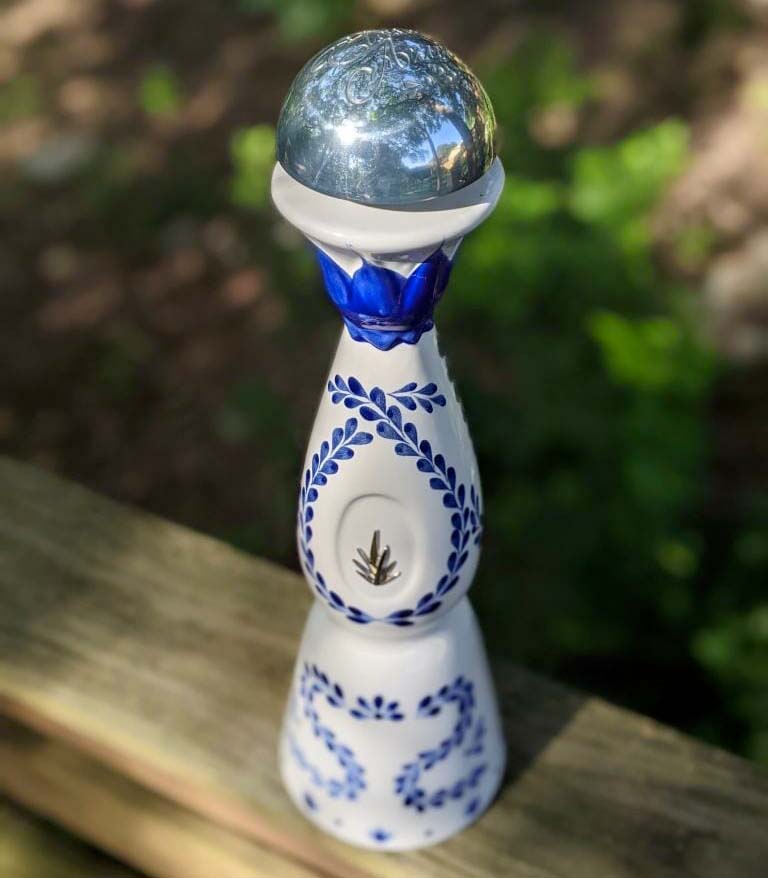
The iconic tequila bottle featuring a distinctive metal bell on top has become one of the most recognizable and luxurious packaging designs in the global spirits industry. If you have ever spotted this unique bottle at a high-end bar, a celebrity event, or on social media, you likely have some questions about it.
Below, we explain everything you need to know about the famous “bell tequila,” why it costs so much, what to do with the empty bottle, and how spirits brands manufacture packaging of this incredible caliber.
What liquor bottle has a bell on top?
If you are searching for the name of the liquor bottle that features a ringing bell on the cap, the answer is Clase Azul Tequila.
Specifically, the most famous variation you are likely looking for is the Clase Azul Reposado tequila (750 ML). Consumers know it best for its stunning hand-painted blue and white ceramic design and the signature metal bell ring acting as the bottle’s stopper.
Clase Azul Bottle Specifications
To help you quickly understand what makes this bottle so special, here is a quick overview of its specifications:
| Feature | Details |
|---|---|
| Brand | Clase Azul |
| Bottle Material | Hand-painted ceramic & Premium Extra Flint Glass |
| Signature Feature | Functional metal bell on the cap |
| Price Range | 100to30,000+ per bottle |
| Agave Type | 100% Blue Weber Agave |
| Origin | Jalisco, Mexico |
What’s the alcohol with the bell on top?
Once again, this ultra-premium alcohol is Clase Azul. Notably, its unique packaging makes it a true status symbol. You will frequently see this bell-topped alcohol at highly exclusive affairs, movie premieres, red carpets, and VIP nightclub tables. It has evolved from a simple beverage into a luxury lifestyle accessory.
Why is there a bell on Azul tequila?
The bell ring on top is not just a simple visual closure. It serves as a functional bell that actually rings when you strike it with your finger or a coin.
But why a bell? Ultimately, the bell on the Clase Azul Tequila acts as a symbol of Mexican tradition and culture. It is a tribute to the historic church bells found in the small towns of Jalisco, Mexico, where the blue agave is grown and harvested. When bartenders or hosts open a bottle, the ringing of the bell creates a sensory experience, signaling that a premium celebration is about to begin.
How much does a bottle of Azul cost?
Clase Azul sells bottles ranging from 100fortheirstandardPlata,allthewayupto30,000+ for their ultra-rare, limited-edition releases. The classic blue and white Reposado bottle typically retails between 150and200, depending on the market and availability.
Why is Casa Azul so expensive?
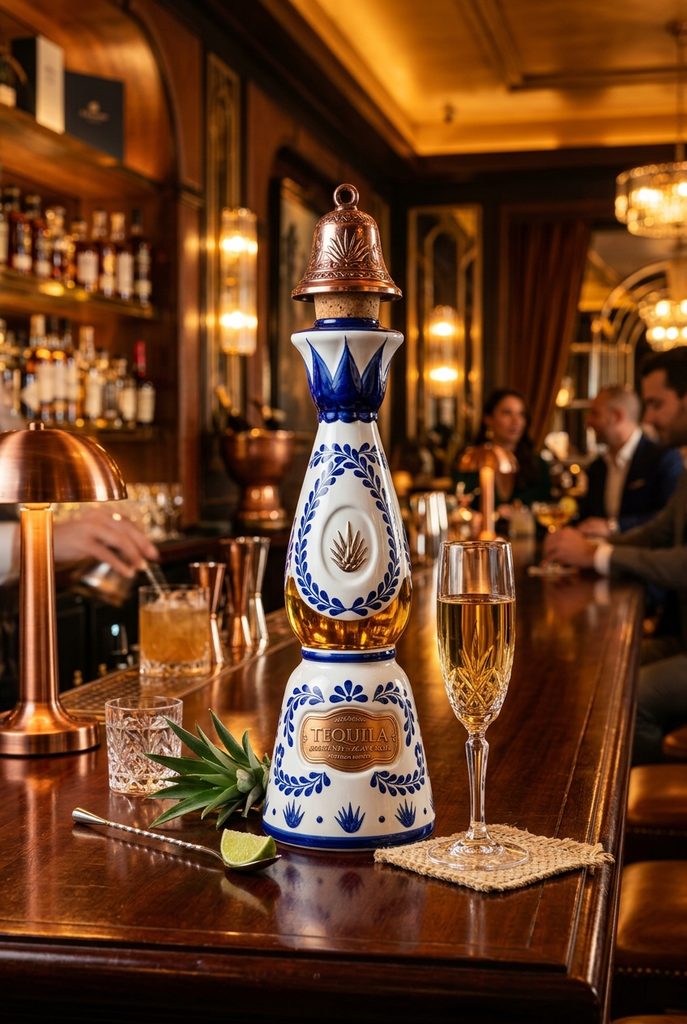
Many consumers wonder why a bottle of liquor can command such a massive price tag. The answer lies in two areas: the liquid inside and the packaging outside.
First, the company produces exclusive tequilas in numbered batches. The master distillers age their Anejo and Reposado tequilas for months or years in special sherry wood casks imported from Spain, using slow-cooked 100% Blue Weber Agave.
However, the packaging drives a massive portion of its perceived value. Each ceramic bottle is sculpted and individually hand-painted by native artisans in the small Mexican town of Santa María Canchesda. Because they are painted by hand, no two Clase Azul bottles in the world are exactly identical.
What to do with the empty bottle: The Upcycling Trend
Because the packaging is so beautiful and expensive, nobody wants to throw an empty Clase Azul bottle into the recycling bin. This has sparked a massive DIY trend online.
Instead of discarding them, consumers repurpose these heavy ceramic and glass bottles into home decor. The most popular use for the empty bottle is converting it into a custom table lamp. The heavy ceramic base provides perfect stability, and the blue and white patterns look incredible under warm lighting. Others use the empty bottles as luxury flower vases, candle holders, or simply as display art on their bar carts.
How Are Luxury Tequila Bottles Manufactured?
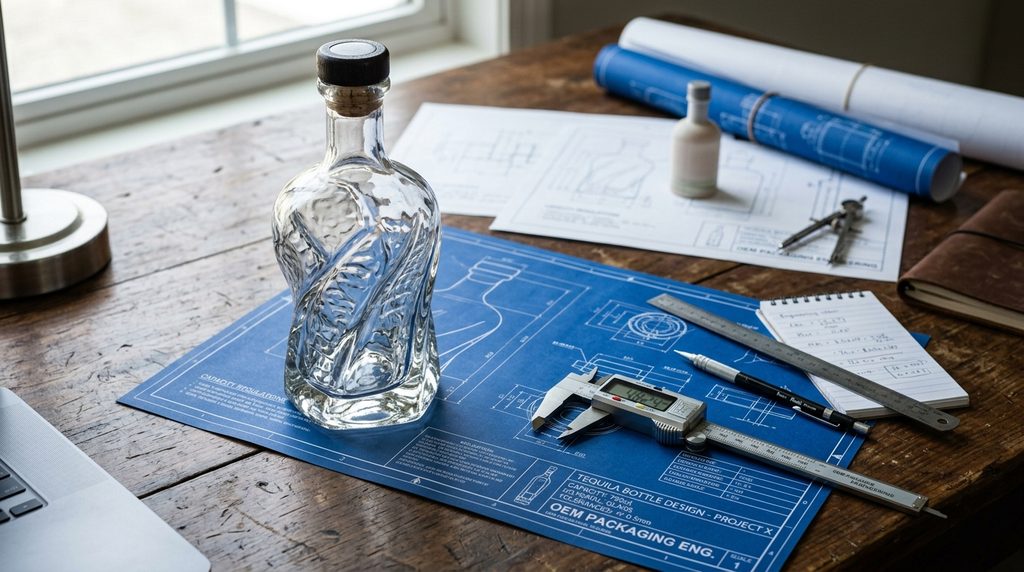
The unbelievable success of Clase Azul proves one critical rule in the spirits industry: luxury packaging justifies a luxury price tag.
Creating a bottle of this caliber requires highly specialized B2B manufacturing capabilities. It is not something you can buy off a standard catalog.
- The Base: The bottom section requires custom mold tooling for the ceramic or heavy-base glass, ensuring the bottle has “dead weight” to feel expensive in the hand.
- The Glass: The upper glass section must use Extra Flint (Super Flint) glass to ensure perfect crystalline clarity, preventing any distortion of the liquid’s rich amber color.
- The Closure: Finally, the heavy Zamac (zinc alloy) bell cap requires precision die-casting to fit the synthetic cork perfectly while producing that signature clear ringing sound.
For emerging spirits brands, trying to source these individual custom components (glass, ceramic, and metal closures) from different suppliers is a logistical nightmare. That is why premium liquor brands rely on full-turnkey wholesale glass manufacturing factories to handle the molding, surface decoration, and custom stoppers under one roof.