

I just got back from Expo Pack Mexico last week. After chatting with dozens of beverage founders, I noticed the same issue over and over: everyone obsesses over the liquid and the label, but the actual glass bottle is an afterthought.
After 15 years in glass manufacturing, I can tell you that your bottle shape dictates your freight costs, production timelines, and shelf presence. Let’s cut through the noise and talk about what actually matters when picking a shape for mass production.
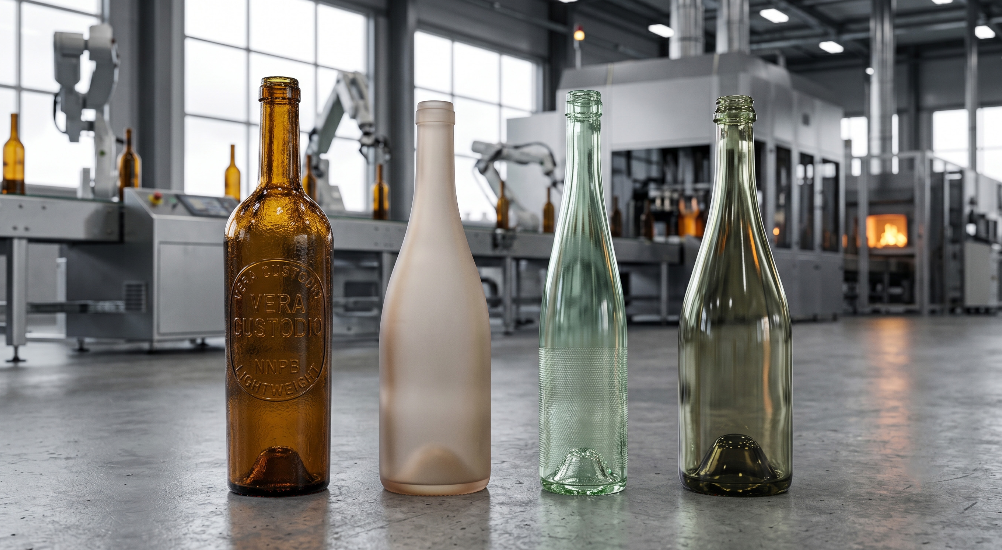
The “Big Four” Shapes
Historically, bottle shapes were engineered for practical reasons, not just looks.
Take the Bordeaux bottle. Those sharp, high shoulders were designed to catch wine sediment. Today? It’s the go-to for premium whiskey and tequila brands wanting a bold, aggressive stance on the bar cart.
Then you have the Burgundy shape. With its smooth, sloping shoulders, it was originally for wines with less sediment. Because it’s easier to manufacture and looks incredibly high-end, we see a lot of delicate spirits and premium olive oils using it now.
The tall, skinny Flute was made that way so merchants could pack more bottles tightly on old riverboats without breaking them. It’s perfect for premium mineral waters or dessert wines.
Finally, the Champagne bottle. The thick glass walls and deep base (the punt) are pure physics to stop carbonated drinks from exploding. Interestingly, we now see ultra-premium non-carbonated spirits using this heavy mold simply for the luxurious, weighty feel in the hand.
What Actually Happens on the Production Line?
Knowing the history is fun, but when you are ordering shipping containers full of glass, logistics rule. Here is what we discuss with B2B clients daily:
Shipping Weight: Ocean freight eats margins. Traditional premium bottles are heavy. We use NNPB (Narrow Neck Press and Blow) technology to keep the classic look of a thick Bordeaux or Burgundy bottle while shaving off the glass weight. You get the same premium feel, but it is way cheaper to ship.
Getting Embossing Right: You want your logo raised on the glass? Don’t just guess before cutting an expensive steel mold. We always 3D print a prototype first. We do this specifically so you can check the carving effects and physically feel the texture of your design before mass production begins.
Closure Flexibility: You aren’t stuck with corks just because you picked a classic wine shape. We constantly adjust neck molds for ROPP screw caps. Also, crown caps are huge right now for the RTD and craft cider markets, and we run crown cap bottles on our lines every single day.
The Bottom Line
Your packaging is your silent salesperson. Put tequila in a Burgundy bottle or olive oil in a heavy Champagne style—there are no strict rules anymore, just smart manufacturing.
If you’re figuring out your next packaging run, or want to talk about custom molds and lightweighting strategies to cut shipping costs, drop me a message. We handle the technical headaches so you can focus on building your brand.


